
Contact us
Composite Panel Specialist · Asan, Korea

Lighter,
stronger,
safer.

Taejin ACP bonds metal skins to a functional core in a single composite panel, supplying lightweight, high-stiffness solutions for truck bodies, building facades and construction-site noise control.

FRONT SKINAL · Steel · Zinc0.1 – 0.5 mm, PVDF COREPE · FR · Foam1.8 – 14 mm REAR SKINAL · Steel0.1 – 0.5 mm TOTAL 1.5 – 15 mm · STANDARD 1,219 × 2,515 mm
9monthsFrom founding to ISO, KS, quasi-noncombustible and Class 1 flame-retardant certification
KS F 4737KS-certified aluminum composite panels · one of 10 makers in Korea
2.2×2026 revenue growth outlook · approx. KRW 2.0 billion
AboutEST. 2023 · ASAN

Three years old, proven by
certifications and exports

Taejin ACP was founded in 2023 in Asan, South Chungcheong Province, on the strength of experienced composite-panel engineers and a continuous production line. Within nine months it had earned ISO 9001, KS F 4737, quasi-noncombustible performance and JIS Class 1 flame retardancy, and it is growing quickly through volume production of panels for Korean box trucks and exports of soundproof panels to Japan.

2023.03

Taejin ACP founded

Asan, Chungnam · Prepared a continuous line running from core extrusion to cutting

2023.10

ISO 9001 · Factory registration

Quality management system certified (development and production of aluminum composite panels) · Factory registered with the Korea Industrial Complex Corporation · Passed KS F 4737 physical property tests (KCL)

2023.12

KS certification · Quasi-noncombustible · Class 1 flame retardancy

KS F 4737 product certification (No. 23-0428) · Quasi-noncombustible performance for exterior wall finishes (KCL) · JIS A 1322 Class 1 flame retardancy for soundproof panels (FITI)

2024

Volume production · Exports to Japan

Volume supply of rear swing-door panels for Korean box trucks · Soundproof hoarding panels exported to construction sites in Japan · Passed drop-impact test (FITI)

2026

Accelerating growth

Revenue forecast of approx. KRW 2.0 billion (about 2.2× the previous year) · Corrosion resistance verified for 2.5 mm white ACP for appliances (no corrosion after 72 hours of acetic acid salt spray)

Why Taejin ACP

Why customers choose Taejin ACP

1,200m²/day
Continuous production lineCore extrusion, skin lamination, cooling and cut-to-length all run on a single line.
1.5–15mm
One line, four marketsTruck-body, facade, construction-site noise-barrier and appliance panels are made on the same equipment.
JAPAN
Quality proven by exports to JapanWe supply soundproof panels to construction sites in Japan, where panel performance requirements are demanding.
KS · ISO
Certified quality systemOnly 10 companies in Korea hold KS F 4737 certification. Our quality is managed under an ISO 9001 system.
Custom
Small lots and custom specsWe also take orders outside standard specifications, such as door sizes for specific vehicle models or site-specific thickness and colors.
Why CompositeSKIN + CORE + SKIN

Why it is lighter and stiffer
than a single metal sheet

Bond a light core between two thin metal skins and you get the same stiffness at far less weight. Vehicles carry more and travel farther, and buildings become lighter and safer.

Coating · Front skinPVDF / polyester-coated aluminum0.5 mm
Adhesive layerPolymer adhesive film—
CoreFoam resin · PE · FR (fire-retardant)14.0 mm
Adhesive layer—
Rear skinAluminum / steel0.5 mm

Example: rear swing-door panel for Korean box trucks · 15.0 mm total

Light and stiffLess weight for the same stiffness
Excellent flatnessNo warping, even on large panels
Easy to fabricateCut, fold and route on site
Impact resistantNo penetration in KS F 8081 drop test
Corrosion and weather resistantNo deformation in -20 to 80℃ cycling
Fire safetyQuasi-noncombustible · JIS Class 1 flame retardant
6–8%Cutting vehicle weight by 10% improves fuel economy by 6–8%. For electric trucks, that means range.Source: U.S. Department of Energy, Lightweight Materials for Cars and Trucks
211→177kmConverting a 1-ton electric truck (58.8 kWh) into a refrigerated box truck cut its range per charge by about 16%. Body weight is range.2021–2024 Hyundai Porter · Kia Bongo EV · Carguy 2021, Sisa Journal-e 2022

At equal stiffness, how much lighter?

Weight per m² of panels with the same bending stiffness

−61%vs. solid steel · Taejin ACP FR 4 mm
Solid steel2.35 mm equivalent18.4 kg/m²
Solid aluminum3.33 mm equivalent9.0 kg/m²
Taejin ACP quasi-noncombustible FR panel4 mm · measured specimen7.1 kg/m²
PE-core composite panel4 mm · theoretical5.5 kg/m²

Theoretical calculation at equal bending stiffness (E·I) — aluminum 70 GPa · 2.70 g/cm³, steel 200 GPa · 7.85 g/cm³; composite panel with 0.5 mm × 2 skins + 3 mm core (core stiffness ignored). The Taejin ACP FR 4 mm weight is the measured specimen value of 7.09 kg/m² from KCL test report CT23-088374K. The trend matches manufacturers' published equal-stiffness tables (FR 4 mm 7.6 kg/m² ↔ aluminum 3.3 mm 8.9 kg/m², ALUCOBOND · ALPOLIC).

BusinessONE TECHNOLOGY · 3 MARKETS

One panel technology,
three markets

Demand driven by logistics, by regulation and by noise complaints. Taejin ACP serves three very different markets with the same production technology.

R&D Pipeline

Phenolic foam insulation panels 30 / 50 / 120 mm — quasi-noncombustible insulation for buildings and air ducts, in development and targeting Green Certification and designation as an innovative product for public procurement.

In development
MarketDATA AS OF 2026.09

Growing markets, with regulation driving demand

Lightweighting, fire safety and noise control: three trends are growing demand for composite panels at the same time. Research firms define these markets differently, so each figure follows one representative source.

Aluminum Composite Panel$9.65B2030

Up from $6.46B in 2024, growing 7.0% a year. Asia-Pacific accounts for about 40% of demand.

Grand View Research, 2024
Truck Trailer$71.5B2031

Up from $49.7B in 2025, growing 6.2% a year. Composites' share of new trailer panels rises from 18% to 28% (2025→2035).

Mordor Intelligence · IndexBox
Sound Barrier$11.2B2035

Up from $6.1B in 2025, growing 6.3% a year, as mandatory construction-site noise barriers spread to markets such as Singapore.

Future Market Insights

How much the three markets grow

Base year vs. forecast year by market (USD billion) · each market has its own axis

Grand View Research (ACP) · Mordor Intelligence (Truck Trailer) · Future Market Insights (Sound Barrier)

US trailer production — bottoming in 2026, recovering by 2028

Annual production (thousand units) · the target market for Taejin ACP wall, roll-up and rear swing-door panels

ActualForecast (ACT Research)

ACT Research via Wabash National FY2025 10-K · 2023 is estimated by back-calculating from the 2024 rate of change

Detailed market sizes, comparisons across research firms, regulatory trends and industry structure are covered in our market research report.

Read the full market report →
OpportunityKOREA vs JAPAN

From walls that screen to walls that shield

Construction sites in Japan are enclosed by panel-type soundproof hoarding. In Korea, thin steel-sheet fences are still the norm, and the gap in noise complaints shows the result. Taejin ACP's soundproof panels are already in use on Japanese sites.

Construction noise complaints
118,0942023 · 75.3% of all noise complaints
Barrier standard
Height 3 m+ · insertion loss 7 dB+
Panel performance standard
None — no rules on transmission loss or flame retardancy
Typical products
EGI fences, RPP noise barriers · fragmented small suppliers, no market leader
Exported to Japan

With lightweight composite soundproof panels proven through exports to Japanese construction sites, we aim to lead the upgrade of hoarding on Korean construction sites.Grow exports to Japan → supply premium and public projects in Korea → expand into markets that mandate noise barriers, such as Singapore

Construction noise complaints in Korea

Annual complaints · no public data for 2020–2021

Anti-Corruption and Civil Rights Commission 2020 (2017–2019) · Ministry of Environment noise & vibration policy report 2024 (2022–2023)

Policy · 2026–2030

5th Comprehensive Plan for Noise and Vibration Management — construction sites account for 70.1% of complaints; the plan targets a 10% cut through prevention based on predicted noise levels and real-time AI and IoT monitoring

Seoul

Construction noise management manual updated (2025.12) · Seoul, Gangnam-gu and Seocho-gu run design guidelines for construction hoarding

Road Noise Barrier

After the 2022 noise-tunnel fire, PMMA panels are being replaced at 1,704 noise barriers and 58 noise tunnels; fire-performance standards for barrier panels were introduced in 2024

Singapore

From April 2025, large sites must install 6 m, STC 20 noise barriers · fines of up to S$20,000

Insights2025.12 – 2026.09

Industry news

Recent policy, statistics and industry news from the three markets Taejin ACP serves. The bold line under each item sums up what it means for the market.

Noise barriers

Construction noise: from enforcement to prevention

Korea's 5th Comprehensive Plan for Noise and Vibration Management (2026–2030). Advance notifications must now show predicted noise for each work stage and the effect of noise-control facilities, and real-time AI and IoT monitoring is being introduced.

Demand for panels with proven acoustic performanceKorea.kr ↗
Noise barriers

Gangnam-gu cuts construction complaints by 36% with IoT noise monitoring

IoT noise meters were installed at 10 large sites, with alerts and mandatory action reports whenever noise exceeds 70 dB(A). Monthly complaints fell from 47 to 30.

Acoustic performance shows up in complaint numbersAsia Economy ↗
Noise barriers

Construction is Japan's top source of noise complaints (41.1%)

In the Japanese Ministry of the Environment's FY2024 survey, 8,166 of 19,886 noise complaints concerned construction work. Notifications of specified construction work totaled 93,938.

The basis for soundproof kakoi demand in JapanMinistry of the Environment ↗
Noise barriers

Japan's demolition of aging buildings expands

The revised Act on Building Unit Ownership lowered the threshold for condominium rebuilding resolutions from four-fifths to three-quarters. Demolition of the Osaka Expo site and urban redevelopment projects also continues.

Demand for hoarding at demolition sitesKeiyaku Watch ↗
Noise barriers

Hong Kong requires flame-retardancy tests for scaffolding nets

After a fire at a large housing estate, scaffolding nets for new construction and repair work must pass laboratory flame-retardancy tests before they can be installed.

Temporary works now face fire-safety checks tooRTHK ↗
Cladding

78% of piloti buildings use combustible cladding — retrofit support grows

About 220,000 of the roughly 350,000 piloti buildings in Korea use combustible exterior materials. Cladding details will be disclosed in building registers, and KRW 5 billion for retrofits was newly added to the 2027 budget proposal.

Demand to replace cladding with quasi-noncombustible panelsKorea Apartment News ↗
Cladding

Building Act amended — noncombustible finishes required in underground car parks

An amendment requiring noncombustible interior finishes in underground car parks passed the National Assembly (effective February 2027), continuing the trend toward tighter noncombustible and quasi-noncombustible rules.

Preference for certified noncombustible and quasi-noncombustible materialsYonhap ↗
Cladding

UK: 93% of high-rises with aluminum composite cladding remediated

Work to replace unsafe cladding continues after the Grenfell fire. Of 516 high-rise buildings with PE-core ACM, 93% have completed replacement.

The shift to FR and quasi-noncombustible coresGOV.UK ↗
Truck bodies

Electric truck subsidies revamped — first support for medium and heavy trucks

Korea's 2026 budget for electric trucks is KRW 358.37 billion. Medium trucks receive up to KRW 40 million and heavy trucks up to KRW 60 million for the first time, while the range requirement for small trucks rises to 308 km or more.

Lightweight cargo bodies to offset battery weightKorea.kr ↗
Truck bodies

Record 3.31 billion parcels in the first half

Korea handled 6.4 billion parcels in 2025 (+7.7%) and 3.31 billion in the first half of 2026 (+6.7%), with 6.6–6.8 billion expected for the full year.

More new and replacement 1-ton box trucksETNews ↗
Truck bodies

A new generation of 1-ton trucks — Porter and Bongo to be phased out

Crash-safety rules are phasing out cab-over 1-ton trucks, with semi-bonnet and PBV successors arriving in 2027. Cargo body dimensions will change.

Door and body panels for the new chassisKorea Logistics News ↗
Truck bodies

US trailer orders nearly triple in August — 262,000 units forecast for 2027

August orders reached 24,200 units (+193% year on year). ACT expects sales to rise from 198,000 units in 2026 to 262,000 in 2027, with strong replacement demand for refrigerated trailers.

US trailer panel demand recoversTransport Topics ↗
TechnologyCERTIFIED · TESTED

Quality proven by the numbers

We publish the original reports from accredited testing bodies. Click a document to view it full size.

CASS · 72h0corrosion

No change in appearance after 72 hours of continuous spray with NaCl 50 g/L + acetic acid (pH 3.0) at 35℃

CorrosionAcetic acid salt spray testWhite aluminum composite panel 2.5 mm · ice-maker cooling plate · Korea Quality Testing Institute · 2026.08
1.1MJ/m²Max. total heat release · quasi-noncombustible limit 8 or less
0sTime heat release rate exceeded 200 kW/m² · limit under 10 s
14:59min:sGas toxicity, mean incapacitation time · limit 9:00 or more
72hAcetic acid salt spray · no corrosion (2.5 mm)
136MPaFlexural strength (KS F 4737, 4 mm)
57.4MPaTensile strength
0.0%Length change in hot-cold cycling (-20 ↔ 80℃)
5gradeStain resistance (red crayon, all 3 runs)

In progress or planned: Excellent Performance Certification (EPC), Inno-Biz, and sound insulation tests for soundproof panels — we will add them as they are obtained. Click a report card to page through multi-page documents.

ManufacturingASAN PLANT

From core to panel,
on one continuous line

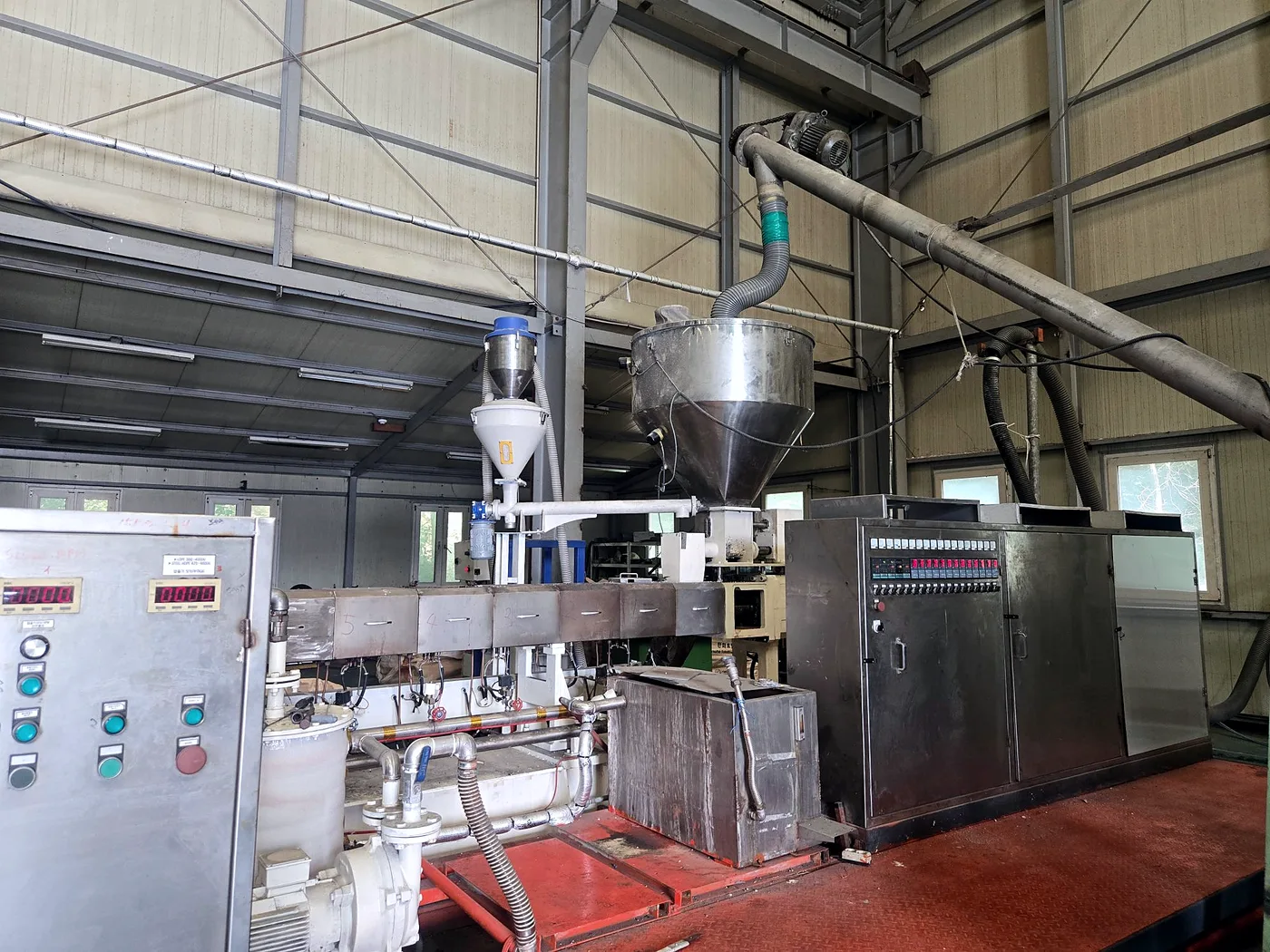
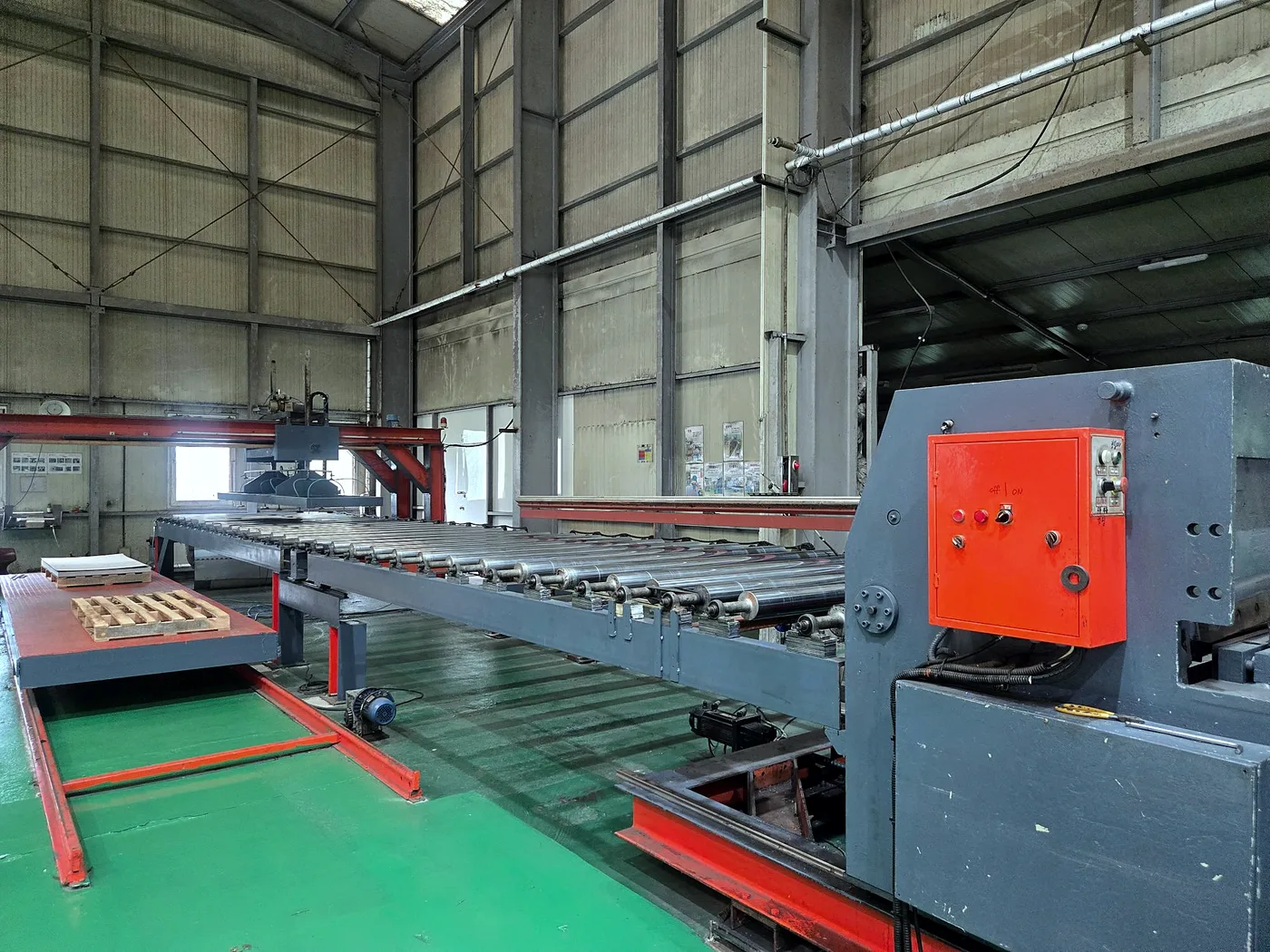
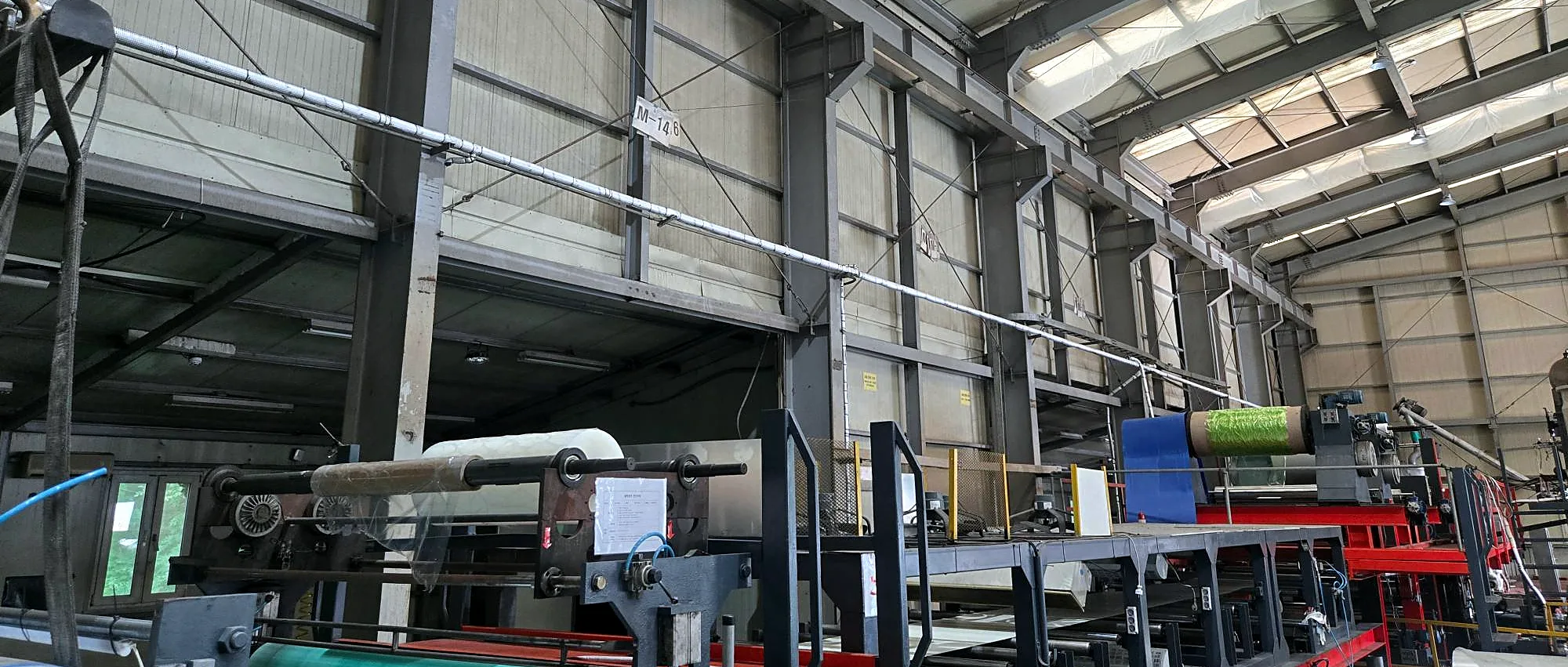
Core resin extrusion, metal skin lamination, cooling and cut-to-length all happen on a single continuous line. By changing thickness, skin material and core, we make truck-body, architectural and soundproof panels on the same equipment.

Continuous composite panel production line at the Asan plant Asan · Chungnam
1,200m²/dayCapacity · approx., 8-hour basis
750m²Production floor area
1.5–15mmComposite panel thickness range
Core resin extruder and material hopper01
Core Extrusion

Core extrusion

PE, FR and foam resins fed through the hopper are melted in an extruder with multi-zone temperature control.

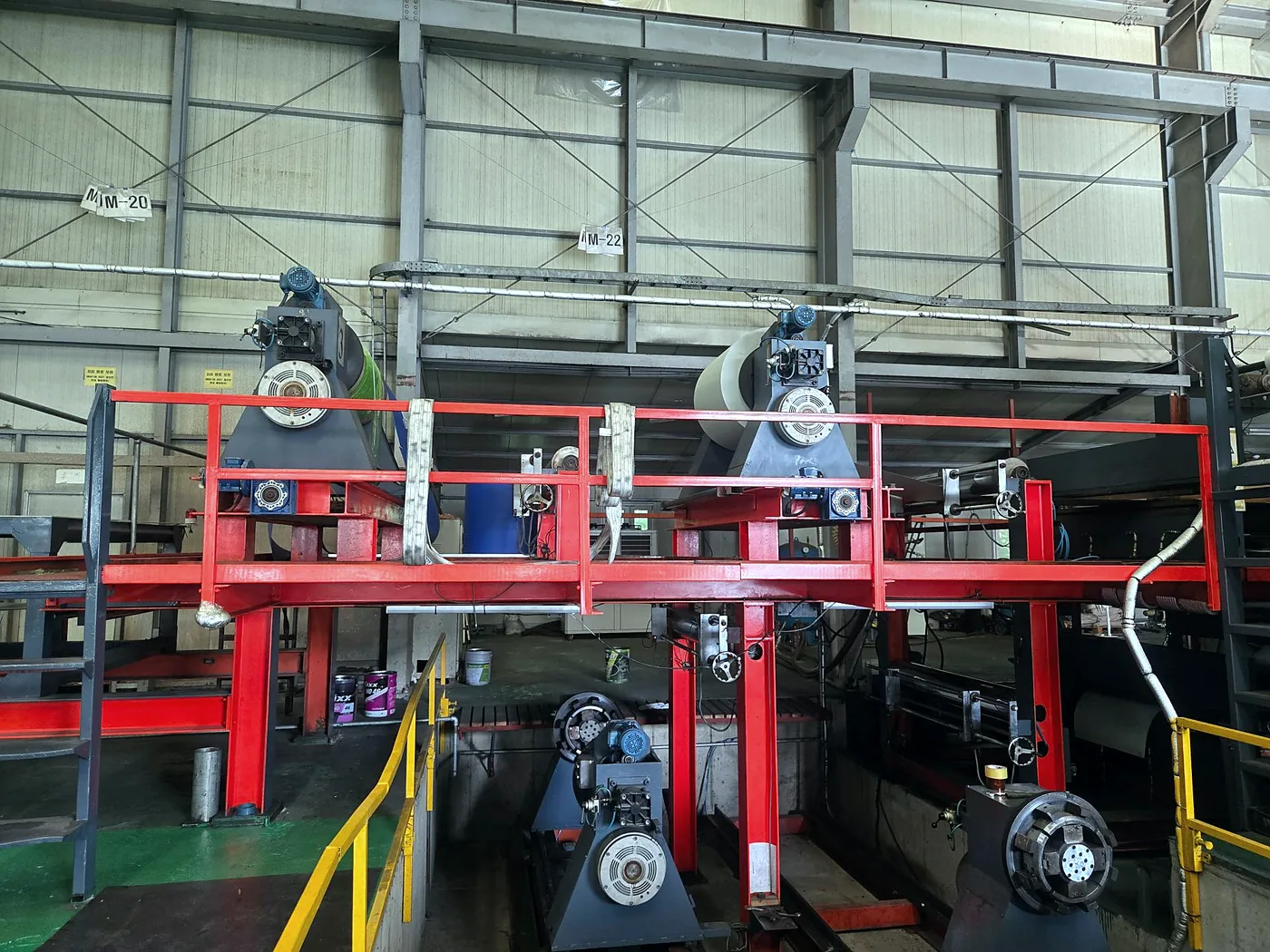
Uncoilers for the top and bottom metal coils02
Uncoiling

Skin coil feed

Coated aluminum and steel coils are unwound and fed to the top and bottom at the same time.

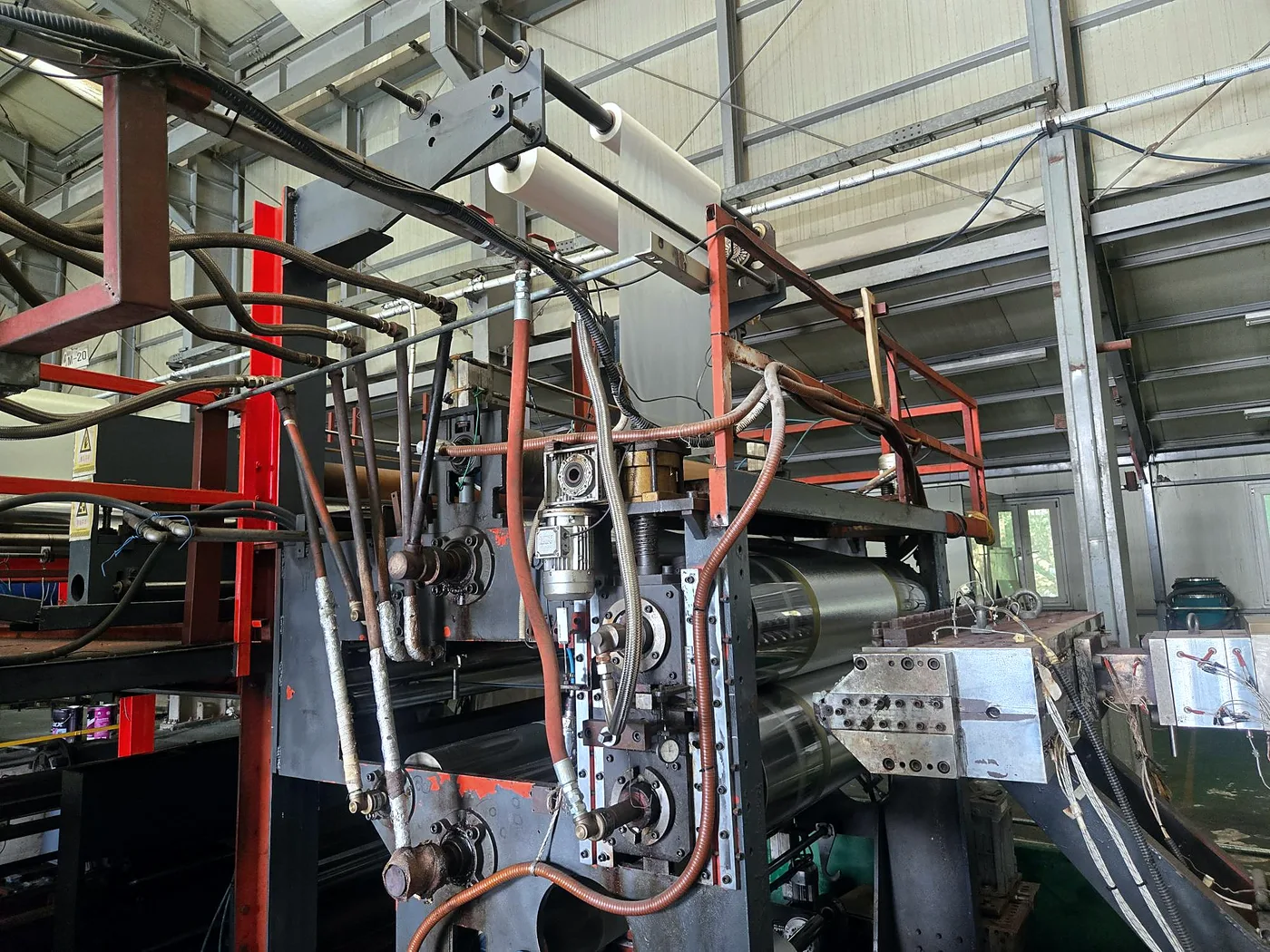
T-die and laminating rolls03
Laminating

T-die forming and lamination

The T-die shapes the core into a sheet, heated rolls bond it to the skins, and a protective film is applied.

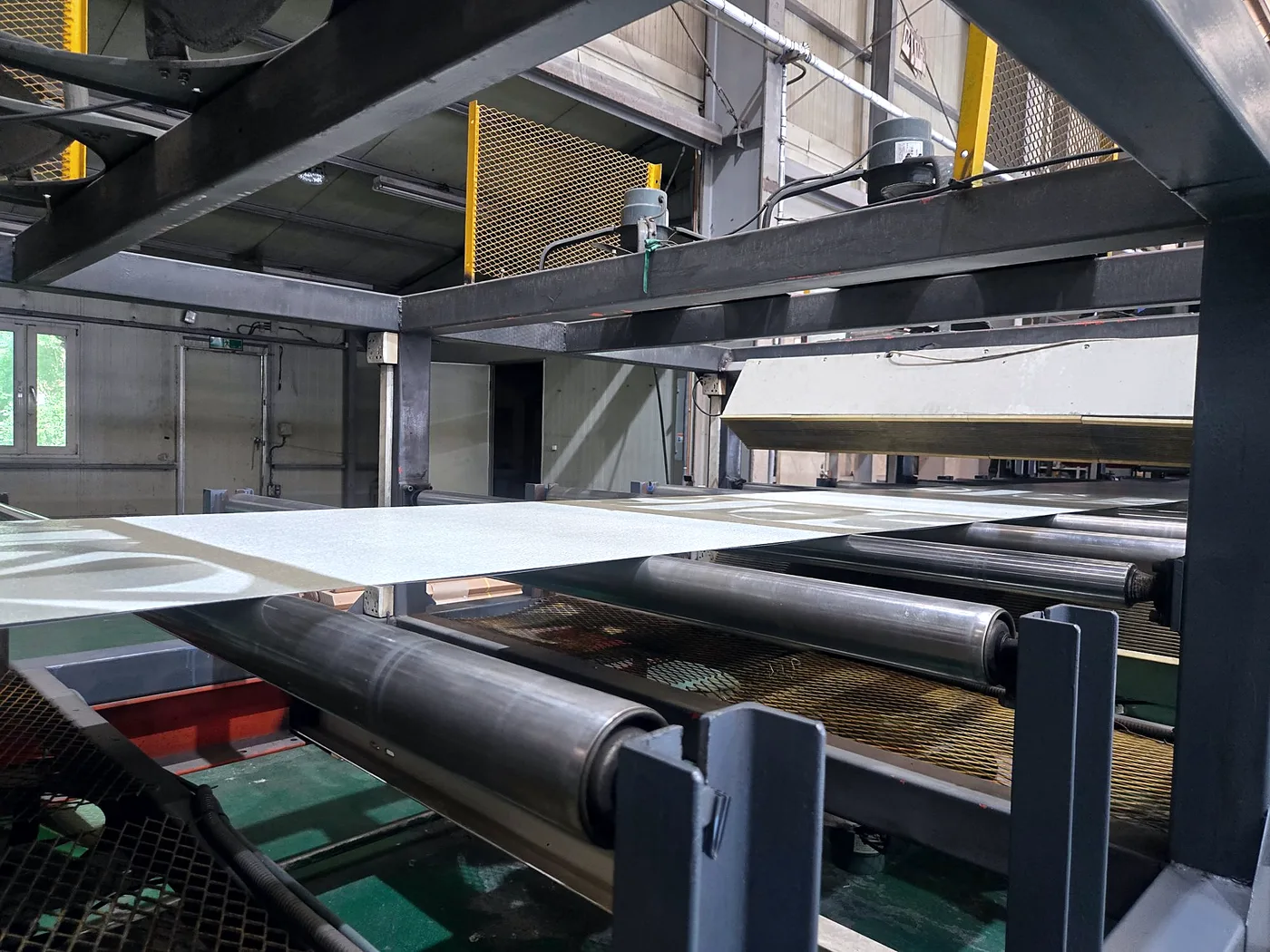
Panels cooling on a roller conveyor04
Cooling

Cooling and conveying

Panels cool on a roller conveyor, which keeps them flat.

Cut-to-length saw and vacuum lifter for stacking05
Cutting · Stacking

Cut-to-length and stacking

Panels are cut to the ordered length and stacked on pallets by a vacuum lifter.

ProductsSPEC SHEET

Product lineup

We combine skin material, core and thickness to suit each application. Please contact us for non-standard dimensions and coating colors.

The strip graphs show the thickness ratio of each layer (skins are drawn at a minimum width).

Fabrication and installation guide

Composite panels are easy to work on site with ordinary woodworking and metalworking tools. These are the key points shared by the manuals of leading manufacturers.

Ask about fabrication →
Cutting · Drilling

Cutting and drilling

  • Cut with carbide-tipped circular saws or panel saws; no coolant needed
  • Drill with standard HSS bits at high speed and low feed
  • Trim exposed cut edges on all four sides
Routing · Folding

Routing and folding (cassettes)

  • Rout a V- or U-groove through the rear skin and core, then fold by hand
  • Leave a thin layer of core at the bottom of the groove to protect the front skin
  • Each fold adds about 0.5–1.0 mm, so allow for it in the drawings
Curving

Curving

  • Form cylindrical curves with a three-roll bender
  • Minimum radius for FR 4 mm is around 300 mm (manufacturer guidance; varies by core)
  • Rout grooves after curving
Fastening

Rivets and bolts

  • Use aluminum or stainless-steel fasteners — avoid copper, brass and unplated steel, which cause galvanic corrosion
  • Oversize holes at floating points to allow for thermal expansion (about 1.2 mm per meter for a 50℃ temperature change)
  • Keep edge distances at least 2.5–3 times the fastener diameter
Bonding

Bonding and stiffening

  • Bond to the aluminum skin, not the core
  • For exteriors, use medium- to low-modulus adhesives that absorb thermal movement
  • Fit aluminum stiffeners to the back of large panels — never rely on adhesive alone to fix exterior panels
Storage · Film

Storage and protective film

  • Store flat, and let panels acclimatize at 10–15℃ or above before fabrication
  • Do not use markers or PVC tape on the protective film
  • Remove the protective film soon after installation (left too long, it can leave marks)

References: 3A Composites ALUCOBOND Fabrication Guide · ALPOLIC Manual Planning and Processing 2024 · Reynobond Fabrication Guidelines · Alucoil larson Technical Notebook. Figures are manufacturers' guidance; please ask us for detailed fabrication conditions by product, thickness and core.

ReferencesPROJECTS

Projects in Korea and abroad

Taejin ACP composite panels in building facades, truck bodies and trailers, and construction-site noise hoarding in Korea and overseas.

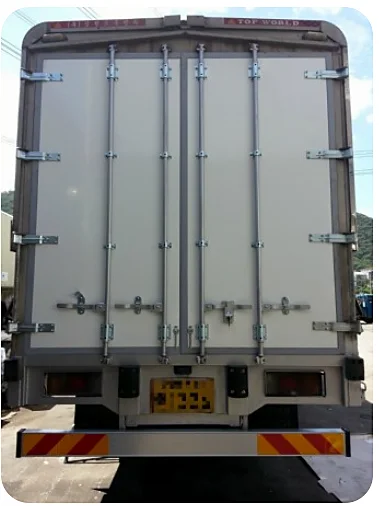
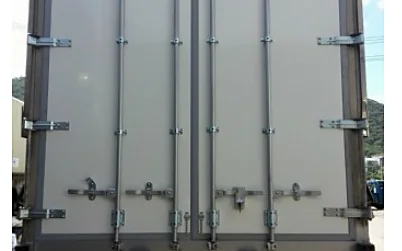
Box truck rear swing doorTAEJIN ACP
Box truck rear swing-door panelsKorea · AL 15 mm, foam core
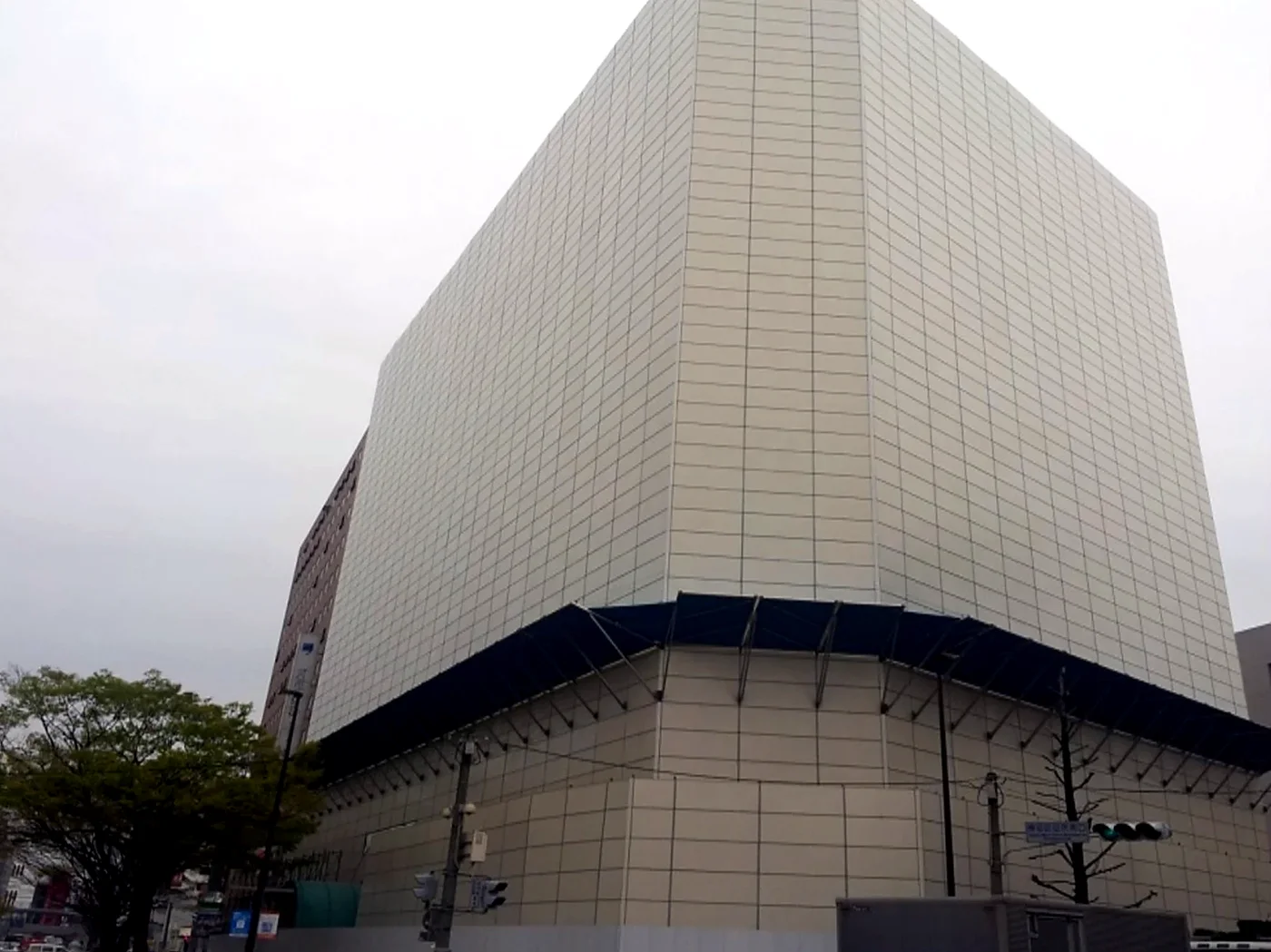
Soundproof panel hoarding around an entire building in a Japanese cityJAPAN
Noise hoarding for an urban demolition siteJapan · composite soundproof panels on all sides
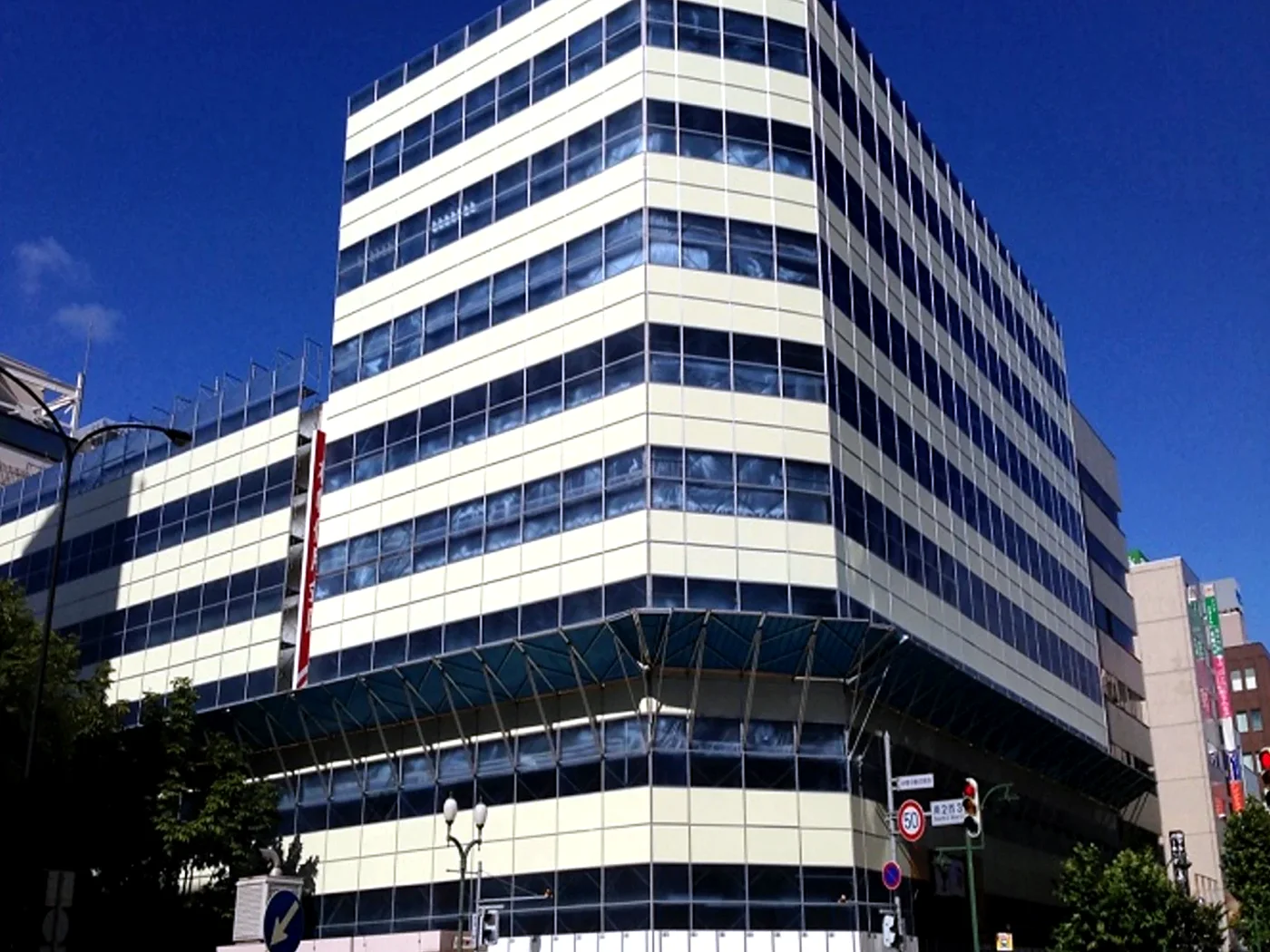
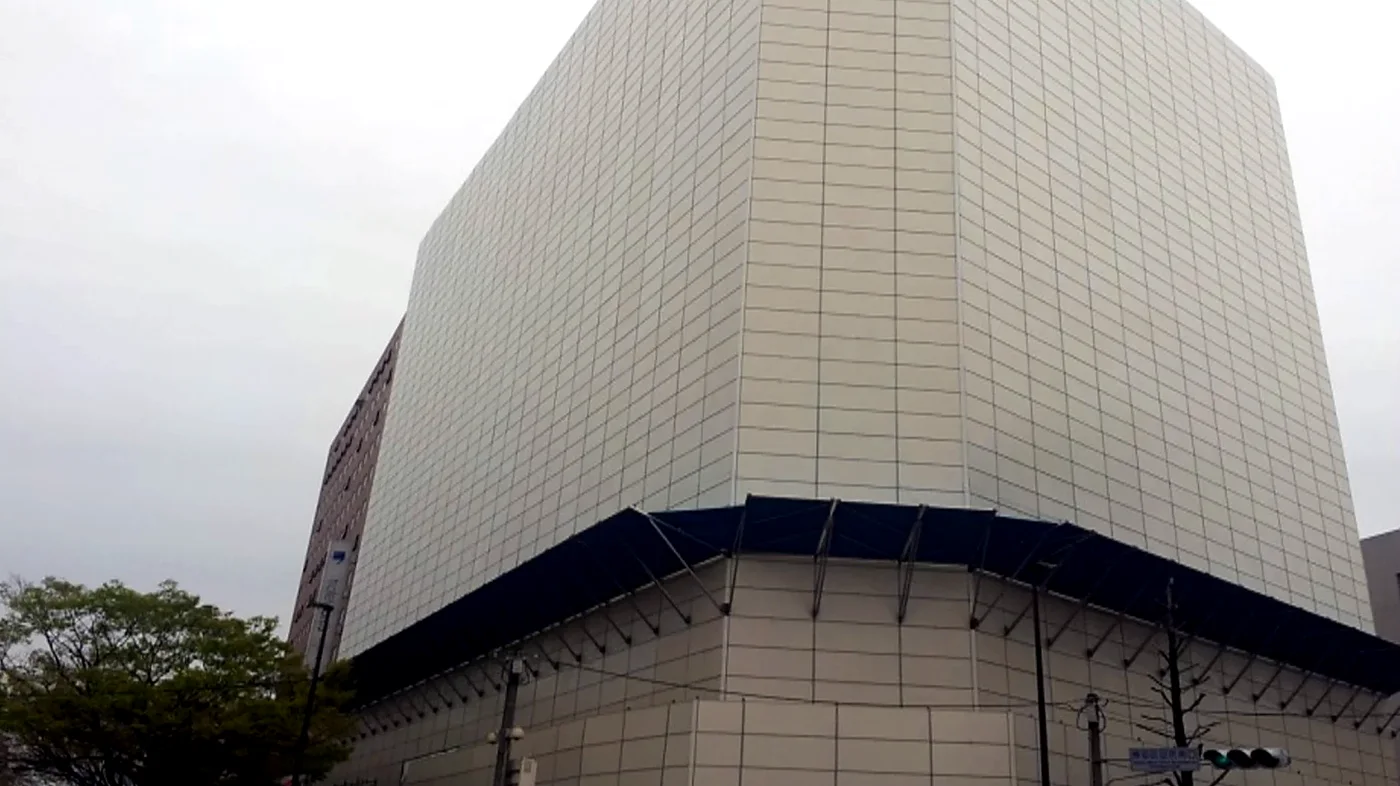
Soundproof panels around a commercial building in JapanJAPAN
Noise hoarding for a commercial buildingJapan · composite soundproof panels
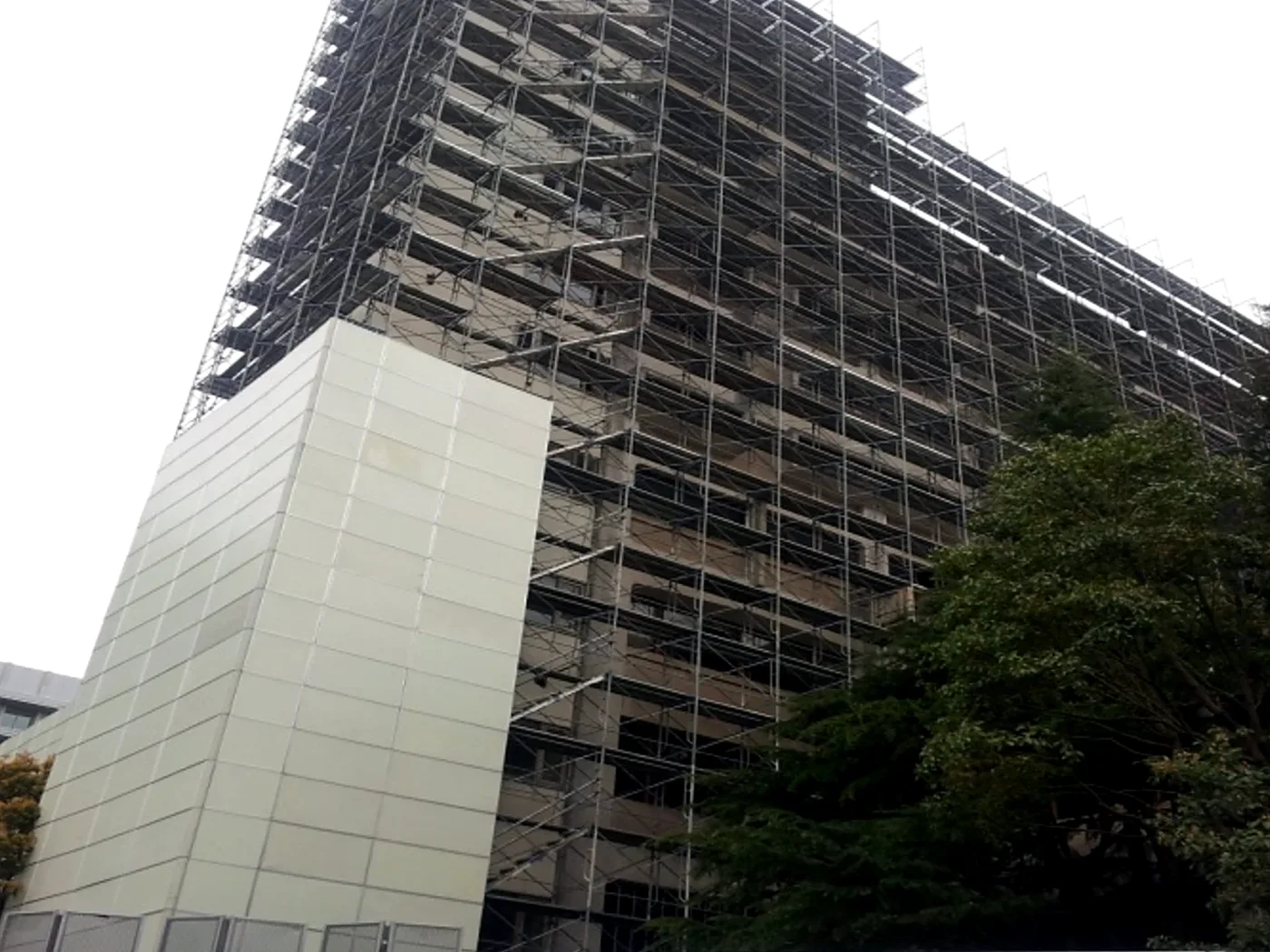
Soundproof panels being installed outside the scaffolding of a high-riseJAPAN
Soundproof panels on high-rise scaffoldingJapan · installation in progress
Soundproof panel hoarding around a large urban buildingJAPAN
Noise hoarding around a large buildingJapan · composite soundproof panels
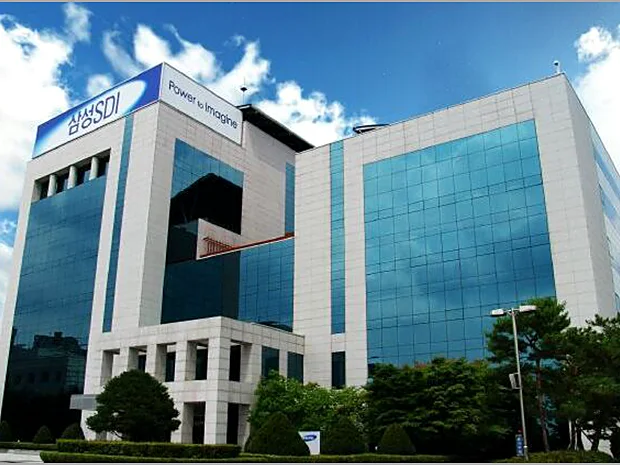
Corporate R&D building facadeTAEJIN ACP
Corporate headquarters facadeKorea · aluminum composite panels
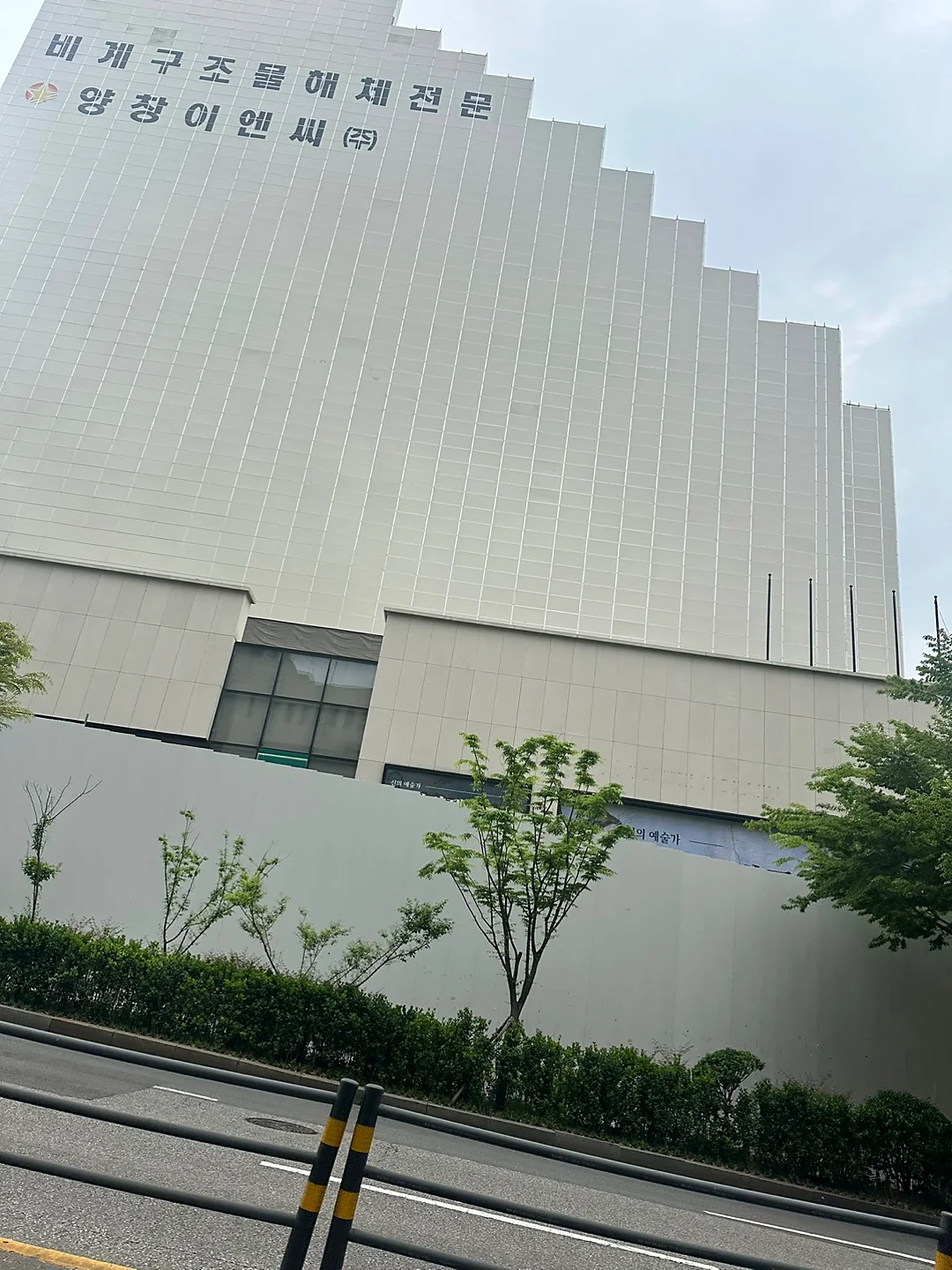
Noise hoarding at an urban demolition siteTAEJIN ACP
Noise hoarding for urban demolitionKorea · composite soundproof panels
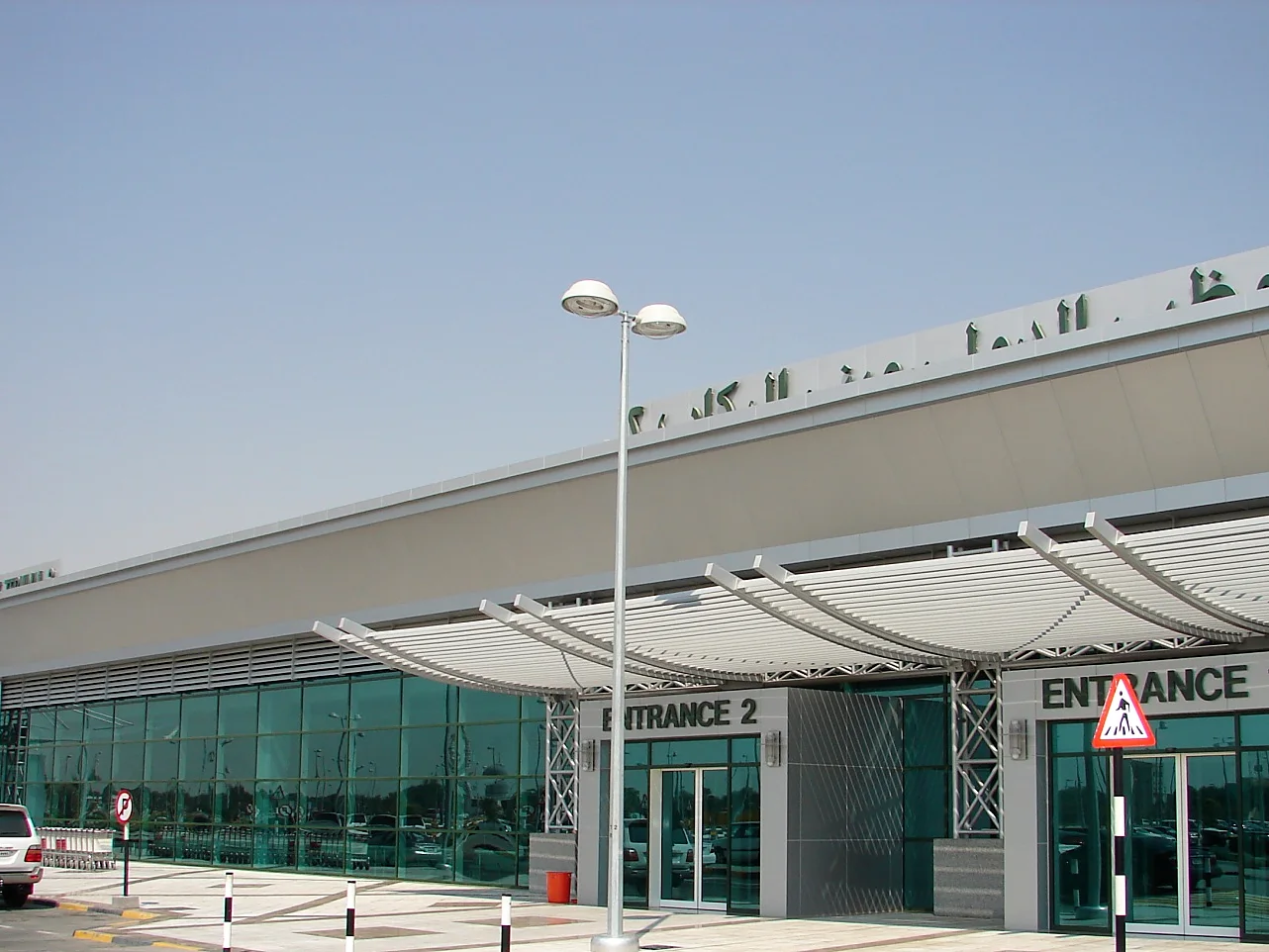
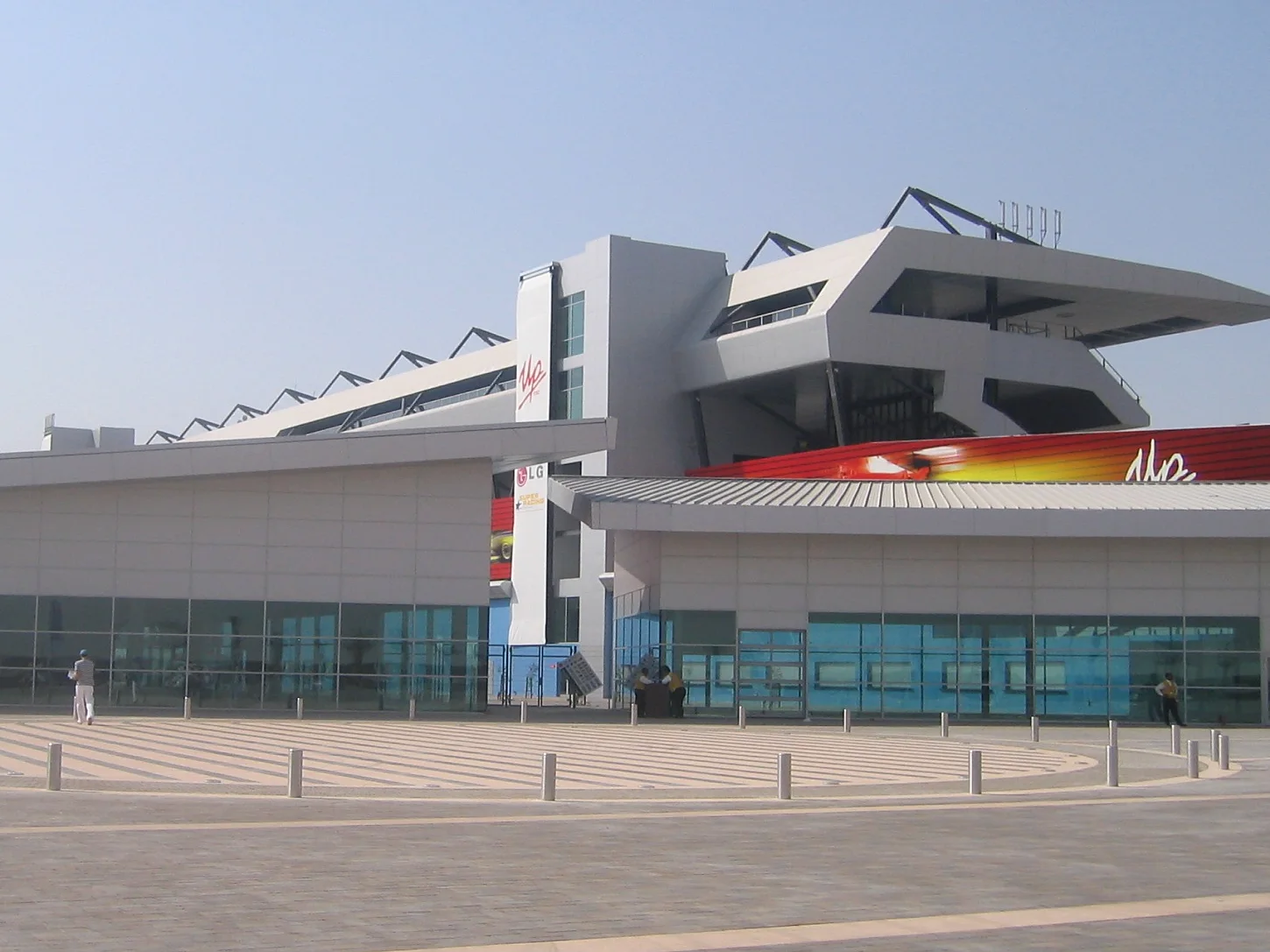
Airport terminal facadeTAEJIN ACP
Airport terminal facadeMiddle East · aluminum composite panels
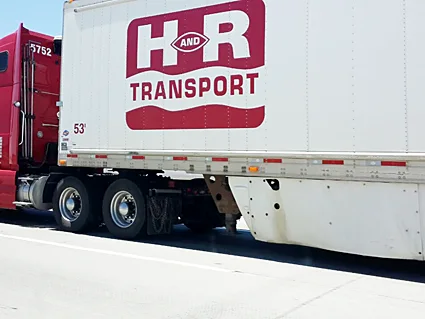
US dry van trailerTAEJIN ACP
Dry van trailer wall panelsUSA · steel composite panels
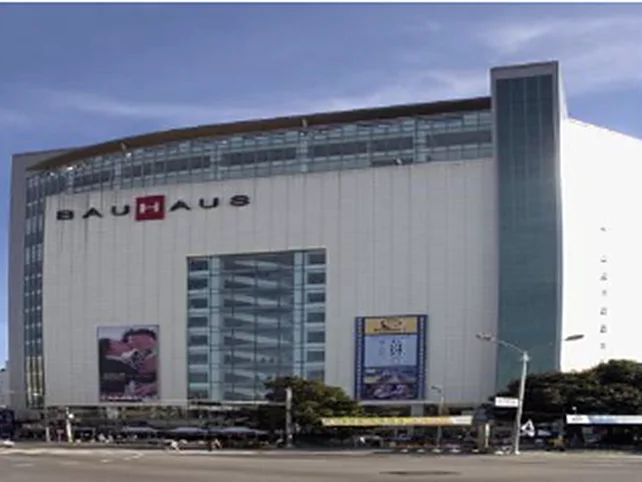
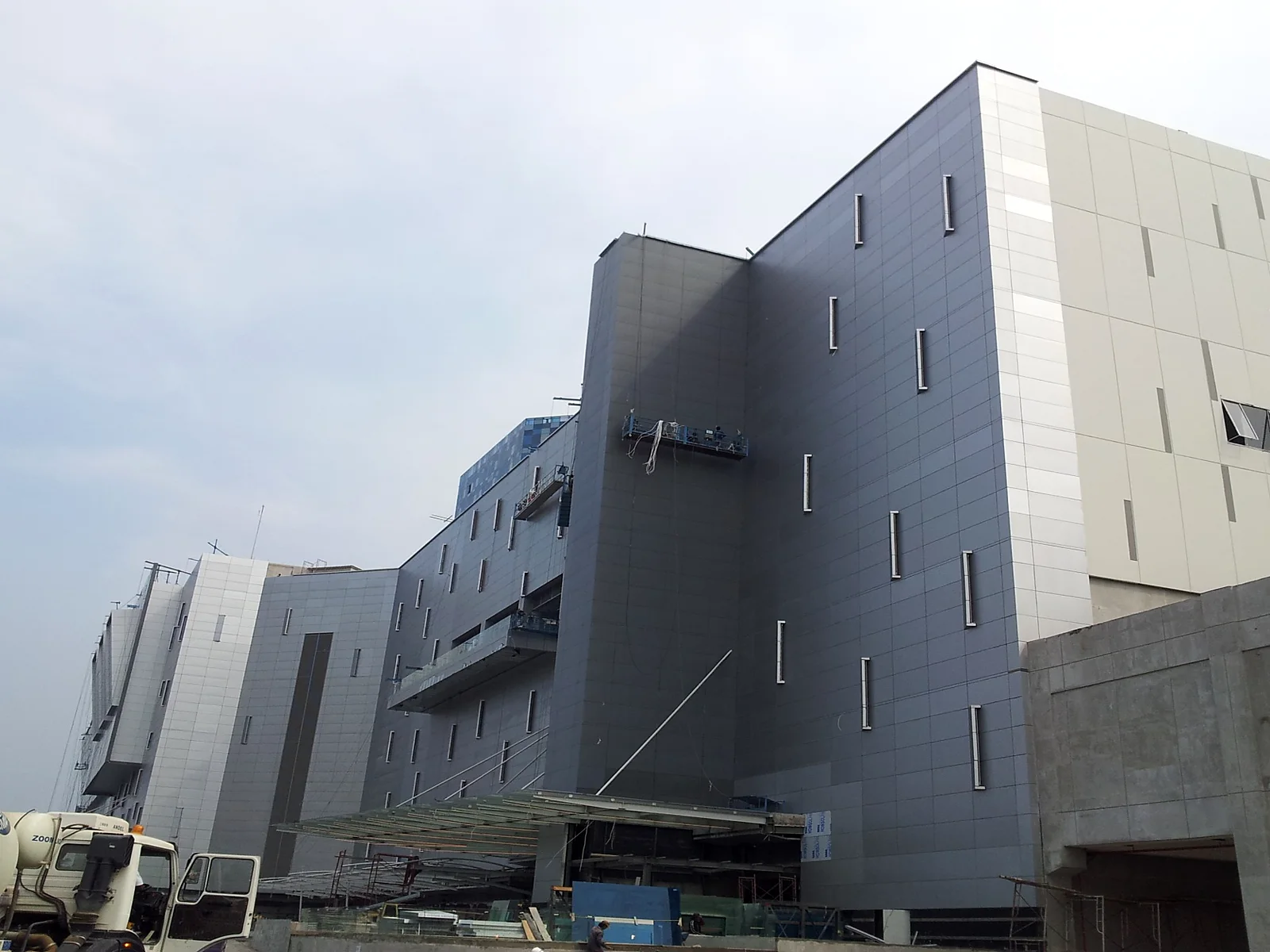
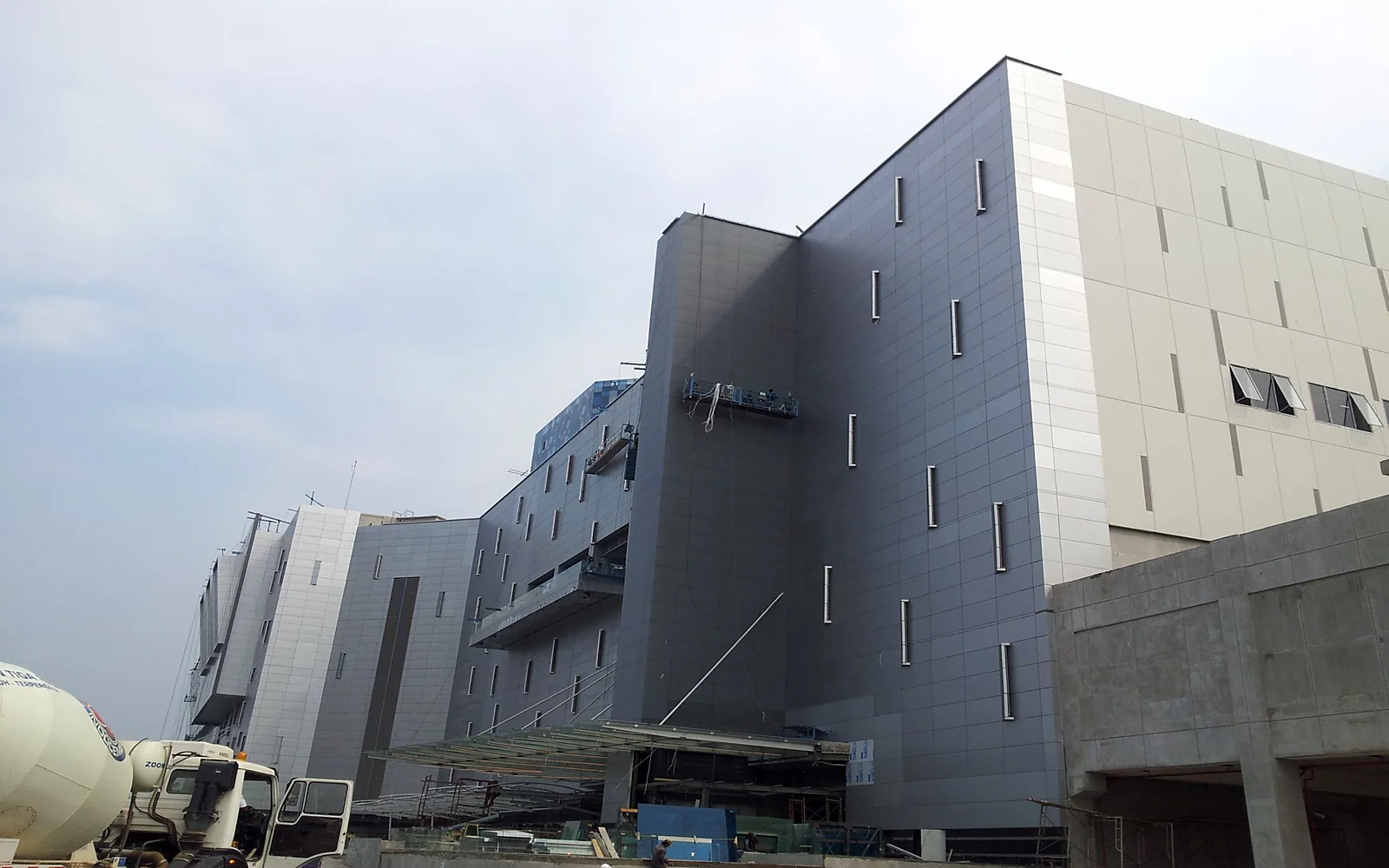
Large commercial facility facadeTAEJIN ACP
Large commercial facility facadeKorea · aluminum composite panels
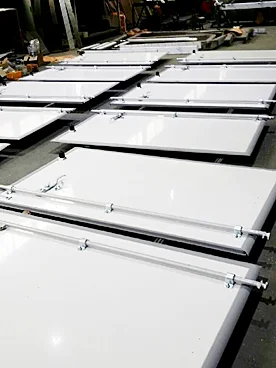
Box truck door panels in productionTAEJIN ACP
Box truck door panel productionKorea · assembly
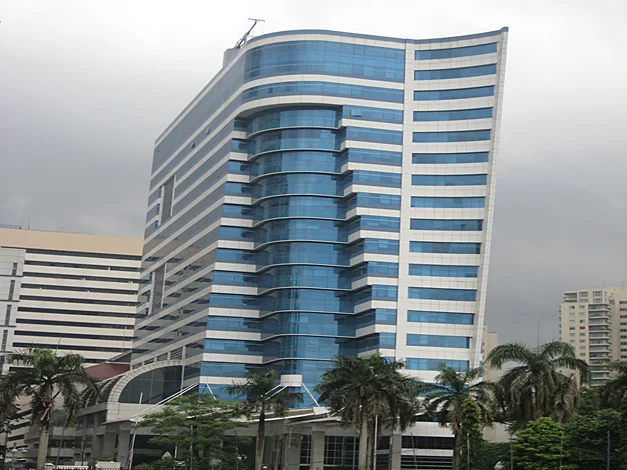
Office tower in Southeast AsiaTAEJIN ACP
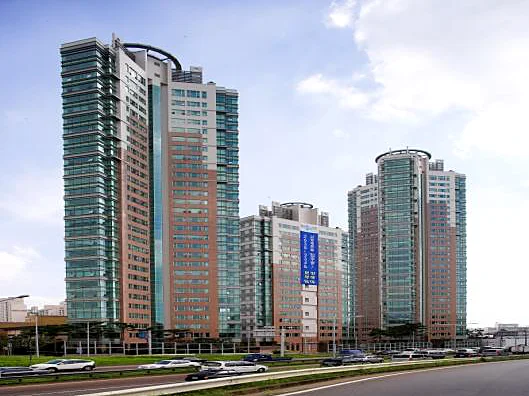
Office tower facadeSoutheast Asia · aluminum composite panels
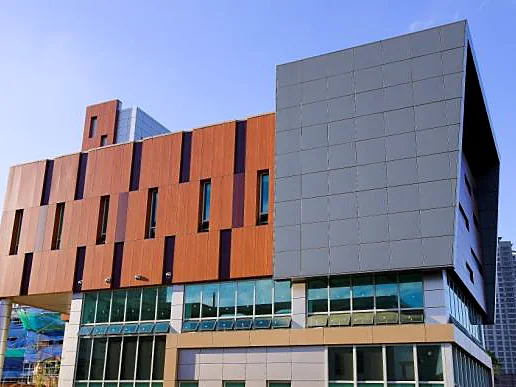
Mixed-use commercial building facadeTAEJIN ACP
Mixed-use commercial building facadeKorea · aluminum and wood-pattern composite panels
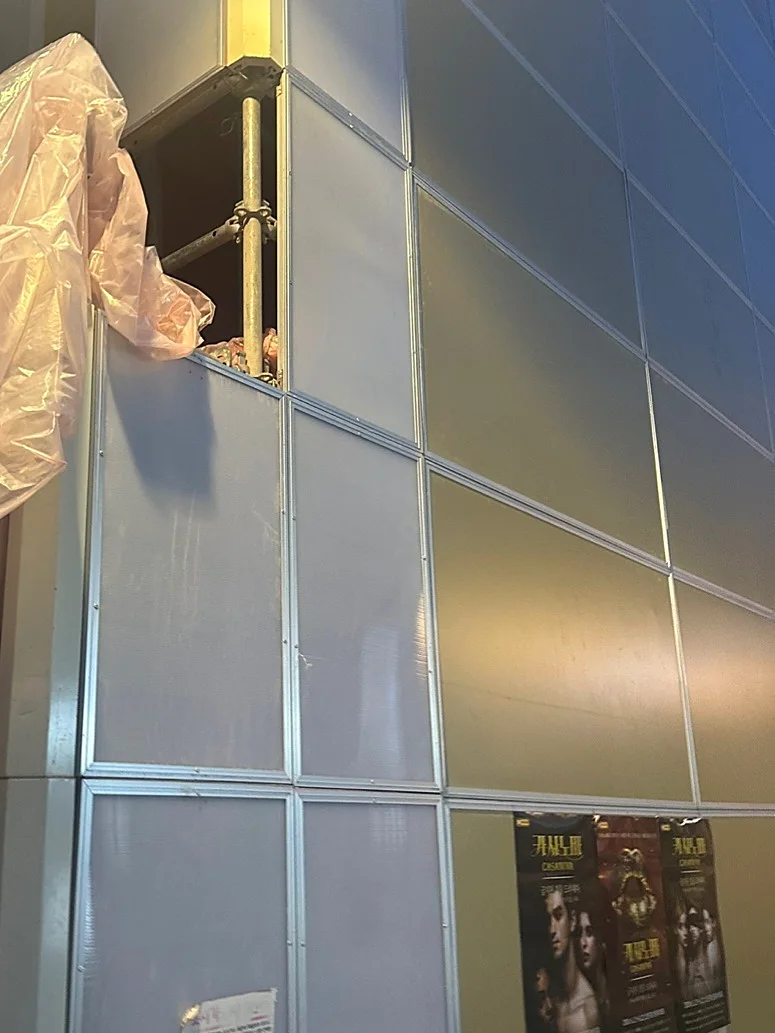
Installation detail of construction-site soundproof panelsTAEJIN ACP
Soundproof panel installation detailKorea · temporary noise hoarding
Facade installation on a large overseas complexTAEJIN ACP
Facade installation for a large complexOverseas · aluminum composite panels
Stadium facade overseasTAEJIN ACP
Sports and cultural facility facadeOverseas · aluminum composite panels
Residential and commercial towerTAEJIN ACP
Mixed-use tower facadeKorea · aluminum composite panels
Riveted joint on a trailer panelTAEJIN ACP
Trailer panel jointUSA · steel composite panels

JAPAN marks construction sites in Japan where Taejin ACP soundproof panels are installed. Some cladding and trailer examples are projects in which Taejin ACP's core team took part in manufacturing and supply before the company was incorporated in 2023. Photos of recent sites will be added over time.

Roadmap2023 → 2028

Growth roadmap

We earned our certifications in the first year and built a base through volume production and exports. Next, we are expanding into Korea's noise-hoarding market and overseas. Solid lines are complete; dotted lines are planned.

2023.03

Founded · Asan plant

Started with a continuous production line and experienced composite-panel staff

DONE
2023.12

Certifications secured

ISO 9001 · KS F 4737 · quasi-noncombustible performance · JIS Class 1 flame retardancy

DONE
2024

Production and exports

Rear-door panels supplied for Korean box trucks · soundproof hoarding panels exported to Japan

DONE
2026

Accelerating growth

Revenue forecast of approx. KRW 2.0 billion · new appliance applications · pursuing Inno-Biz, EPC and Ministry of SMEs and Startups R&D

IN PROGRESS
2027

Noise hoarding in Korea

Standard product launch in Korea · larger export volumes to Japan · phenolic foam insulation panels

PLANNED
2028

Overseas expansion

More customers in Japan · markets that mandate noise barriers, such as Singapore · US trailer panels · innovative products for public procurement

PLANNED
CompanyTAEJIN ACP CO., LTD.

Company overview

CompanyTaejin ACP Co., Ltd. (주식회사 태진에이씨피)
CEOHee-sik Jin
FoundedMarch 20, 2023
HQ · Plant2 Hoseo-ro, Baebang-eup, Asan-si, Chungcheongnam-do, Republic of Korea
PlantProduction area 750 m² · ancillary facilities 550 m² · capacity approx. 1,200 m²/day (8-hour basis)
BusinessComposite panels for truck bodies · aluminum composite panels for building facades · soundproof panels for construction sites (exported to Japan) · insulation panels (in development)
CertificationsISO 9001:2015 (JK-19975) · KS F 4737 (No. 23-0428) · passed quasi-noncombustible performance tests · JIS A 1322 Class 1 flame retardancy
Continuous composite panel line at Taejin ACP's Asan plant
Asan PlantHeadquarters and plant, Asan, Chungnam
QualityISO 9001Quality management system · development and production of aluminum composite panels
KSF 4737One of 10 KS-certified makers in Korea
Fire SafetyQuasi-NCQuasi-noncombustible exterior finish, tested by KCL
FlameClass 1Flame retardancy for soundproof panels, JIS A 1322 (FITI)
Capacity1,200m²/dayContinuous line · 8-hour basis
ExportJAPANSoundproof hoarding panels for construction sites
CEO Message

With light, strong panels,
we build safer sites.

Thank you for visiting Taejin ACP. We started in Asan, South Chungcheong Province, in 2023 with one idea: to bring lightness, strength and safety together in a single composite panel.

In our first year we laid the groundwork for quality, earning ISO 9001 and KS certification along with quasi-noncombustible and flame-retardant performance. Today our panels are used on Korean box trucks, on building facades, and on construction sites in Japan, where standards are demanding.

Every specification and every delivery date starts from our customers' sites. We give even the smallest order our full attention, and we answer with verified data. We look forward to your continued interest and support.

CEO, Taejin ACP Co., Ltd.Hee-sik Jin
Revenue2026 revenue forecast: approx. KRW 2.0 billionAbout 2.2× 2025 revenue (approx. KRW 890 million)
₩850M
₩890M
₩2.0B
202420252026E

2024 and 2025 show approximate revenue from financial statements filed with the National Tax Service; 2026 (hatched) is the company's forecast.

Capacity1,200m²/day

Capacity · approx., per 8-hour day

Clients4companies

Major customers

FacilitySee our plant and process →

A continuous line from core extrusion to cutting and stacking

FAQFREQUENTLY ASKED

Frequently asked questions

Questions we often hear from architects, truck-body builders and contractors.

What is the difference between PE and FR cores?

PE cores are polyethylene. They are the lightest (about 5.5 kg/m² at 4 mm) and the easiest to work, so they are mainly used for signage, interiors and equipment. They are, however, combustible.

FR cores are fire-retardant cores filled with minerals. In Korea they are used wherever quasi-noncombustible or better materials are required, such as the exterior walls of buildings with 3 or more stories or 9 m or taller. Taejin ACP's 4 mm FR core (magnesium hydroxide + PE) passed quasi-noncombustible performance tests.

What does "quasi-noncombustible" mean?

In the cone calorimeter test (KS F ISO 5660-1), total heat release over 10 minutes of heating must be 8 MJ/m² or less, the heat release rate must not exceed 200 kW/m² for 10 seconds or more in a row, and there must be no cracks, holes or melting. The gas toxicity test (KS F 2271) requires a mean incapacitation time of 9 minutes or more.

Taejin ACP FR 4 mm results: total heat release of 0.3–1.1 MJ/m², 0 seconds above 200 kW/m², and gas toxicity of 14 min 59 s.

MOLIT notice “Standards for Flame-Retardant Performance of Building Finishing Materials and Fire-Spread Prevention Structures” · notices may be revised, so please check the latest version.
How much lighter are composite panels than metal sheets?

The two 0.5 mm skins work like a small H-beam, delivering the same stiffness at far less weight. At equal bending stiffness, Taejin ACP FR 4 mm (7.1 kg/m²) is about 21% lighter than solid aluminum (3.3 mm, about 9.0 kg/m²) and about 61% lighter than solid steel (about 2.35 mm, about 18.4 kg/m²).

Theoretical calculation and measured specimen (see the “At equal stiffness” chart above)
Are they easy to fabricate and install on site?

Yes. Cut them with a carbide-tipped circular saw, and rout a V-groove on the back to fold the panel by hand into a cassette (tray). Rivets, bolts and adhesives all work. Aluminum expands about twice as much as steel with heat, so leave room for movement at the fixings.

For details, see the fabrication and installation guide below the product lineup.

How are soundproof hoarding panels different from ordinary fences?

Ordinary fences are thin steel sheets joined together, so gaps form easily, and there is no sound-insulation standard for the sheets themselves. Panel-type hoarding forms a continuous wall without gaps, and in Japan its transmission loss is assessed against Kasetsu Kogyokai certification criteria.

Sound insulation rises with panel weight, so lightweight panels make up for it with absorbent layers and structural design. Taejin ACP soundproof panels have JIS A 1322 Class 1 flame retardancy and are exported to construction sites in Japan.

Can I order non-standard dimensions, thicknesses or colors?

We produce panels by combining thickness (1.5–15 mm), skin material (aluminum, steel, zinc) and core (PE, FR, foam). For specifications outside our standard range, such as door sizes for a particular vehicle model or a site-specific color or thickness, please contact us.

How should exterior panels be maintained and cleaned?

Wash with water and a mild neutral detergent using a soft sponge, then rinse with clean water. Work from the bottom up, out of direct sunlight and while the surface is not hot, to avoid streaks. Avoid abrasives, stiff brushes and solvents. We recommend cleaning twice a year in coastal areas and once or twice a year elsewhere.

ALPOLIC · Reynobond maintenance guidelines, AAMA 610
Are composite panels recyclable?

The aluminum skins and core can be separated after shredding, and the aluminum is remelted into new material. Recycling aluminum saves about 95% of the energy needed for primary production, and about 75% of all aluminum ever produced is still in use today.

International Aluminium Institute · 3A Composites Recycling Data Sheet
ContactRFQ · SAMPLE · IR

Product, sample and investment inquiries

Tell us the specification, quantity and application, and we will reply within one business day.

Phone
+82-41-533-8833
Fax
+82-41-533-8836
Mobile
+82-10-5402-1607
Email
taejinmasters@naver.com
Address
2 Hoseo-ro, Baebang-eup, Asan-si, Chungcheongnam-do, Republic of Korea
Asan headquarters and plantAbout 15 minutes by car from Cheonan-Asan Station (KTX)